Warmth Woven by Peaks
Step into a living journey from fleece to felt, celebrating the wool and textile traditions of the Julian Alps as they move from high pastures to hearthside workshops. Follow shepherds along wind-bent ridges, watch shears glint in spring light, and hear spinning wheels hum through snowbound evenings. Meet breeds shaped by altitude, mills tuned to mountain streams, and plant dyes gathered with care. Share your own memories, questions, and skills as we connect makers, stories, and techniques across valleys where cloth still shelters bodies and binds communities.

Alpine Breeds and Fiber Character
High-altitude grazing and selective care encourage resilient sheep whose fleeces balance softness with durable crimp, ready for both weaving and felting. Elders speak of coats that shrug off sudden storms and dry fast on breezy racks. Spinners prize staple lengths that draft smoothly, while felters love fibers that mat with confidence. Each flock reflects terrain, forage, and tradition, creating a regional fingerprint you can feel between your fingertips.
Spring Shearing as Community Work
When clippers click, neighbors gather, passing laughter, tea, and twine across makeshift tables. Someone sorts by grade, someone shakes out burrs, someone tells how last year’s cloth stood up to sleet. Children chase lambs and learn patience; elders test locks for strength with practiced tug. The day ends with sacks labeled by ewe and purpose, a shared meal, and a quiet pride that another season has turned together.
From Pasture to Clean, Dry Fiber
Back in courtyards and barns, raw fleece becomes future fabric through gentle washing that respects lanolin and structure. Mountain water runs cold and clear; hands squeeze rather than agitate. Racks by sunlit walls invite breezes to do their slow work. Simple steps matter: sorting, skirting, and storing away from curious cats. What looks like patience is really foresight, ensuring every later touch on carders and wheels feels smooth and hopeful.
Shepherd Paths and Seasonal Transhumance
Across the Julian Alps, families still remember the measured climb from village meadows to stone-ringed summer pastures, where sheep graze on herb-scented slopes and shepherd huts glow at dusk. The year’s rhythm turns on routes learned from elders, careful weather watching, and the spring shearing that promises yarn, warmth, and income. Every step, from lambing to first snows, enfolds craft decisions shaping fiber length, cleanliness, and strength, before a single thread is ever twisted.
Tools That Travel Light
A drop spindle slips into a pocket beside a crust of bread, ready for roadside pauses or shepherd watch. Its portability invites practice anywhere, building muscle memory that outlasts weather. Paired with carding combs and a simple distaff, it turns waiting time into making time. Many recall grandmothers walking home at dusk, spindle whirling, laughter following, miles measured not by stones but by finished cops of tender, dependable yarn.
Wheel in the Kitchen Corner
Set near the stove and stacked wood, a wheel gathers family around its steady cadence. Young hands learn to draft while older ones ply and tell how a certain sweater softened during a late thaw. The corner holds oil for the bearings, spare drive bands, and a basket awaiting tomorrow’s spin. Nothing here is rushed; twist and treadle match the simmer of soup, proving everyday life can be exquisitely productive.
Evenings of Yarn and Stories
On winter nights, neighbors trade fleece tips, sing lightly, and compare the merits of short draw versus long draw for different garments. Someone demonstrates a repair on a snapped single; someone else shares a new trick for joining without knots. Candles lend golden patience while snow hushes the road outside. By the time boots are laced for home, skeins hang like moons, and friendships have tightened with every careful turn.
Weaving Homespun and the Water’s Fulling Power
Warp beams creak as threads align, then shuttles fly through mountain light that falls across kitchen looms. Plain weaves and firm twills build cloth for aprons, blankets, and everyday coats that face sleet without complaint. After weaving, the cloth walks to water, where soap, heat, and movement encourage fibers to lock tight. Old mills beat a drumbeat remembered in footsteps, turning web into weatherproof comfort with patient, thunderous care.
Frames Built From Local Wood
Looms shaped from spruce and beech carry the forest into the room, their beams polished by generations of hands. Peg by peg, they disassemble for moving to seasonal quarters, then rise again near a bright window. Warp tension becomes a family art, passed like recipes. When heddles lift, the house hushes, honoring the moment threads become path and crossing, a sturdy grid that will someday warm a shoulder or cradle a child.
Patterns With Mountain Memory
Simple twills recall slope lines; herringbone mirrors ridges meeting the sky. Subtle stripes echo river courses changing with meltwater. While designs often remain modest, intention runs deep, balancing yarn thickness with pick count for utility and grace. The result is cloth that photographs quietly but performs loudly against wind, rain, and years. Wearers carry maps no cartographer drew, only weavers who listened carefully to peaks and valleys.
Water, Soap, and the Mill’s Song
Fulling begins gently in basins, then graduates to the mill, where paddles lift, drop, and press until fabric thickens without losing soul. Timing is everything; too little and drafts sneak through, too much and drape disappears. Soap scents the air; steam blurs windows; a bell marks rests. Elders run thumb and palm across the cloth edge, feeling readiness like bakers reading dough. When silence returns, resilience has been built.
Felted Gear for Weather and Work
Felt answers the mountains with unity, a fabric made by persuading fibers to hold each other through pressure, heat, and patience. In the Julian Alps, it becomes slippers drying by stoves, hats shading eyes on scree, and vests that shrug off drizzle. Makers balance density with comfort, testing edges, rolling steadily, and trusting their hands to read the moment wool agrees. What emerges is armor shaped by kindness.
Techniques for Lasting Density
A good felt begins with layout that respects fiber direction, layering crosswise for strength, and wetting with water just hot enough to encourage bloom. Soap’s slip invites movement without tearing scales. Rolling, tossing, and fulling arrive in measured stages, checked often. Edges receive special care, corners rounded against wear. When cooled and rinsed, the piece rests, then returns for final smoothing. The reward is resilience that stands seasons of alpine walking.
Designed for Peaks and Paths
Hats brim against sharp light reflected from snow; slippers hold warmth on stone floors; mitts keep grip on tools in sudden rain. Makers plan thickness where pressure concentrates, add reinforcing patches at heels, and shape seams that respect motion. Colors tend toward earth and sky, flecked with undyed beauty of local fleece. Function drives elegance here, and scuffs become a beloved record of journeys rather than flaws to hide.

Artisans Renewing Heritage
Across villages, small studios open doors, inviting visitors to try a first roll or shape a simple flower. Some sell at markets, others teach school groups, all sharing stories about how their grandparents bundled felted blankets for sled rides. Collaboration grows with photographers, hikers, and bakers, weaving crafts into everyday tourism. By purchasing directly, learning, or volunteering, you help craftspeople remain rooted while reaching new generations with confident, humble skill.
Dye Plants and Alpine Color Stories
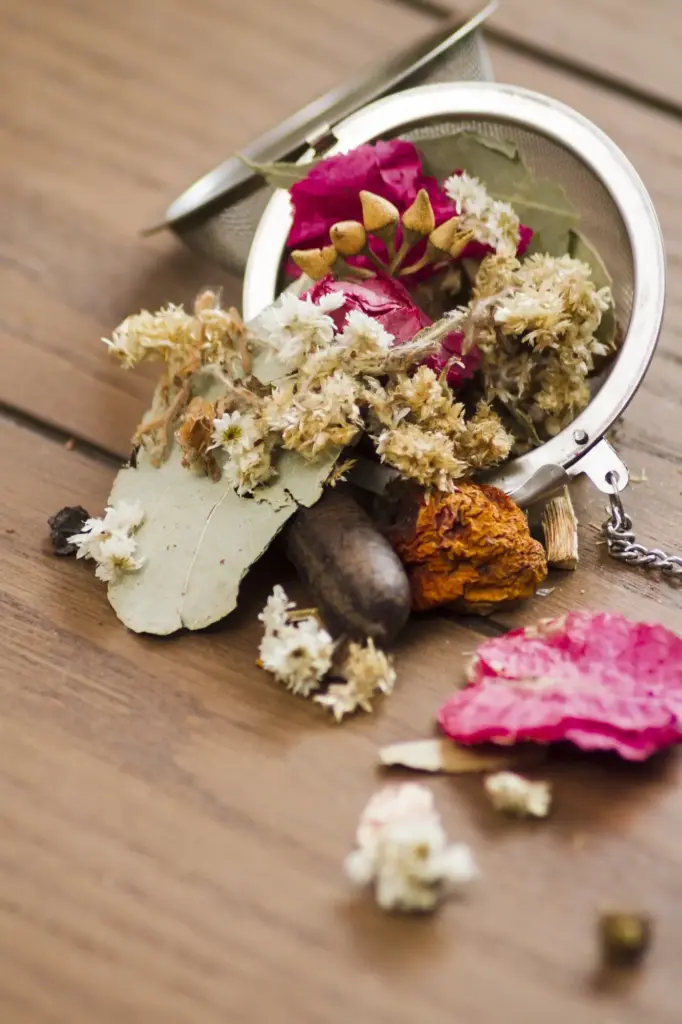
Color begins as a walk: baskets, careful steps, and the good sense to take little and leave much. Walnut husks stain warm browns; onion skins glow like dawn; birch and goldenrod lift yellow from late summer. Some color comes from markets rather than meadows, yet each hue meets wool with patience, mordants, and simmering pots. The Julian Alps put rock, river, and sky into palettes that favor subtle depth over spectacle.
Gathering With Care and Respect
Seasonal knowledge guides every harvest, honoring plant cycles and the rights of landscapes to recover. Makers leave roots intact, avoid rare species, and cut sparingly from many places rather than stripping one patch. Rainy days improve leaf pliancy; dry days help storage. Notes record what winter ghosts into spring and when seeds set. This steady attention lets color return next year, proving that beauty and restraint can grow together.
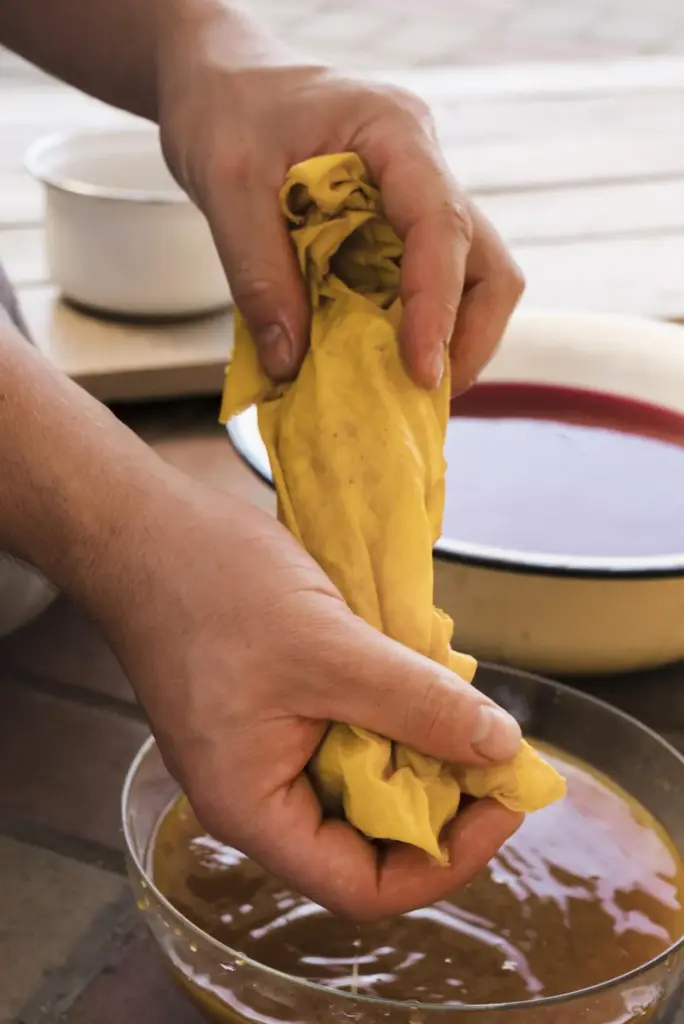
Kettles, Mordants, and Safe Practice
Dedicated pots protect kitchens, labeled clearly and stored away from cooking tools. Alum and iron receive measured respect, with gloves, ventilation, and accurate scales. Fibers pre-soak slowly, letting dye bite without blotches. Heat builds like confidence, never boiling wool into shock. Logs capture ratios and times, becoming a family notebook for consistent shades. When rinse water runs clear and soft, the skein shines with patient science earned in humble steam.
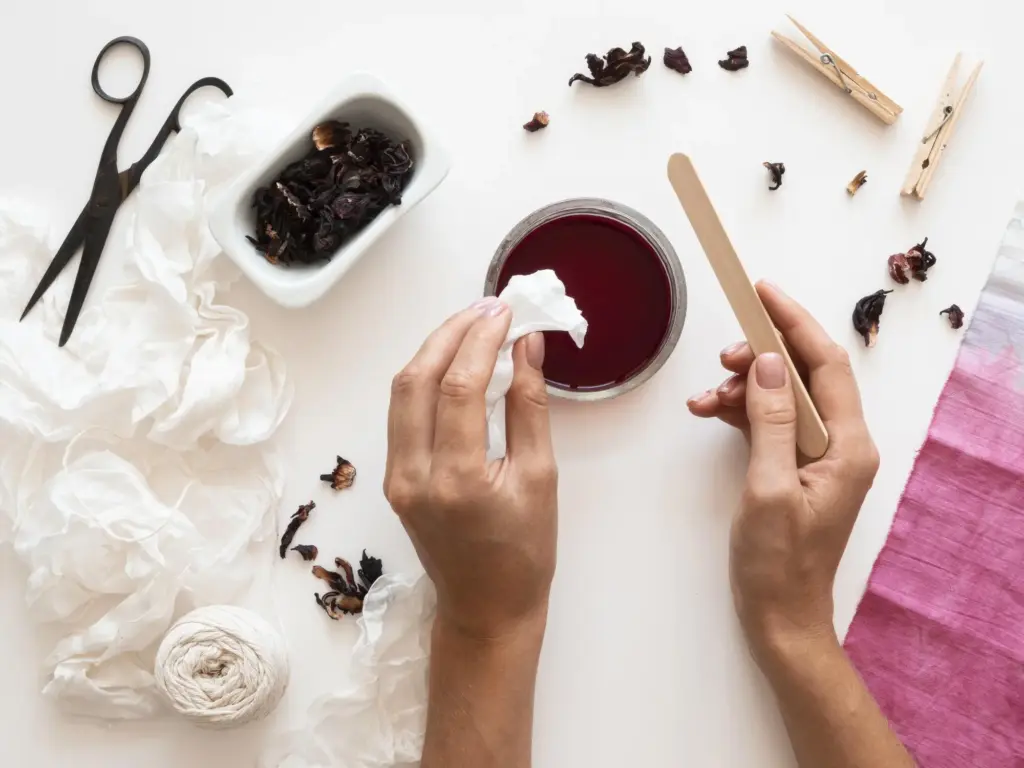
Palettes Inspired by Stone and Sky
Greys like misted granite sit beside river blues brought with purchased indigo, married to local yellows into thoughtful greens. Browns hold memory of bark fires and worn footpaths. Undyed white breathes like snowfields at noon. Rather than shouting, these hues speak steadily through years of wear and mending. They flatter faces in winter light and remind eyes of miles walked, turning garments into landscapes you can fold and carry.
Repair, Reuse, and the Joy of Longevity
Cloth born in mountains deserves a long, generous life. Mending nights extend stories, adding elbow patches shaped like leaves and needle-felted darnings that turn holes into quiet celebrations. Buttons are saved, yarn ends cataloged, and cuffs re-bound. When a piece finally retires, it becomes padding, rug, or treasured lining. The Julian Alps teach that sustainability is not a slogan but a practice stitched patiently into everyday decisions and friendships.
Visible Mending as Pride
A bright darn across a sleeve says this garment worked hard and was loved enough to fix. Contrasting yarns map journeys, marking scuffs from tools or brush against larch. Workshops show duplicate stitch tricks and needle-felt magic for quick reinforcement. Children learn to see possibility where others see waste. Over time, repairs become a language of care, speaking fluently about value, memory, and the dignity of keeping what keeps you.
Second Lives for Wool
When cuffs fray beyond saving, felted offcuts become coasters, insoles, or pot protectors. Woven scraps piece into patchwork seat pads with stories stitched between seams. Even comb waste finds purpose as stuffing for toys or insulating wraps for jars. Nothing departs without a final question about potential. This mindset eases budgets, reduces bin trips, and gently instructs children that creativity often begins precisely where someone else ended.
Care Rituals That Matter
Cool water, mild soap, and flat drying grant wool its longest life. Brushing lifts surface dust after trail days; resting between wears refreshes shape. Sun visits briefly, shade hosts the lingering. Cedar, lavender, and clean drawers discourage pests kindly. Labels track what needs airing after festivals or hikes. These rituals are not chores; they are small acts of gratitude for fibers that kept watch through wind, drizzle, and celebratory evenings.